Can I Use a Regular Mirror in a Bathroom with a Shower?
Choosing the right mirror for your bathroom, especially when it’s combined with a shower or tub enclosure, is more than just an aesthetic decision. It’s a functional, durability-driven choice impacted by moisture exposure, lighting needs, and room layout. If you’re asking, “Can I use a regular mirror in a bathroom with a shower?”, you’ve come to the right place.
Guidance from industry leaders like the National Kitchen & Bath Association (NKBA), expert practices in lighting from brands like Golden Lighting and Lumens, plus insights from tradespeople like glaziers and electricians, all come into play when specifying bathroom mirrors correctly.
Understanding Mirror Types as Functional Decisions
Mirrors in bathrooms don’t just reflect—they serve specific functions such as lighting integration, storage, and space perception. Selecting a what is plate mirror mirror in wet spaces is a balance among material durability, configuration, and interplay with lighting.
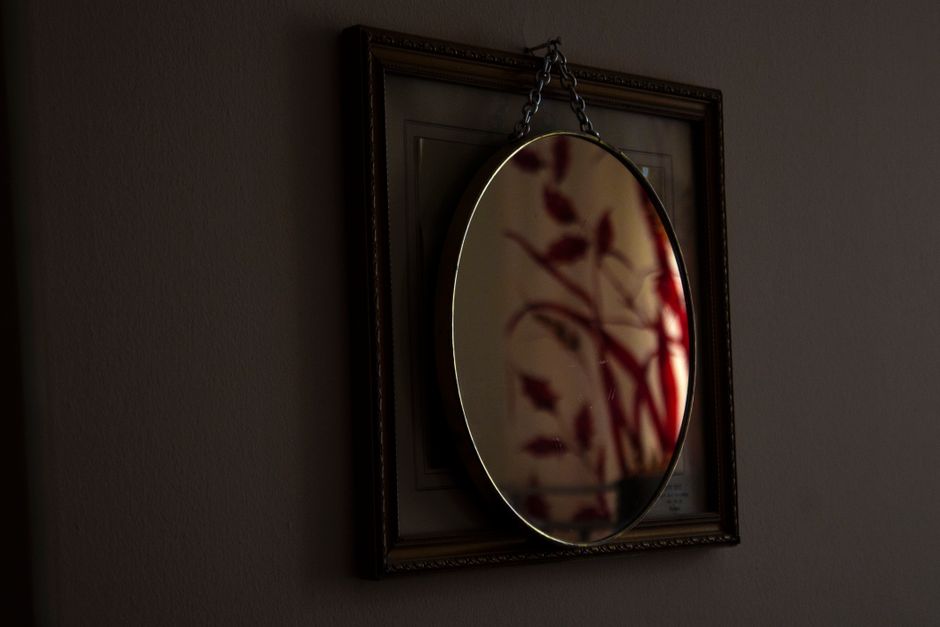
Mirror Shapes and Mounting Options
- Flat plate glass mirrors: The classic “regular” mirror. Often cost-effective but vulnerable if not properly sealed.
- Framed mirrors: Can add style but risk moisture damage at unsealed frames.
- Medicine cabinet mirrors: Provide storage, but door seals require attention to humidity.
- Demister-backed mirrors: Reduce fog, highly recommended in shower-adjacent installations.
- Integrated LED mirrors: Require electrician for hardwiring, ideal for task lighting but need proper spacing for sconces.
Regular mirrors are generally plain plate glass sheets with a reflective backing; in bathrooms with showers, without sealed edges or special coatings, moisture ingress leads to desilvering risk—the silver backing will break down, causing spotting or black edges.
Storage Considerations
When space is limited, mirrored medicine cabinets provide dual function but must be rated for humidity environments. Otherwise, mirrored storage units near showers need careful sealant and ventilation considerations.
Mounting Styles
Surface-mounted mirrors are easiest but watch how wide should a bathroom mirror be for moisture migration behind them—sealed edges help. Recessed or flush mounts need precise installation, often requiring a professional glazier for templating and plate glass cutting to exact dimensions.
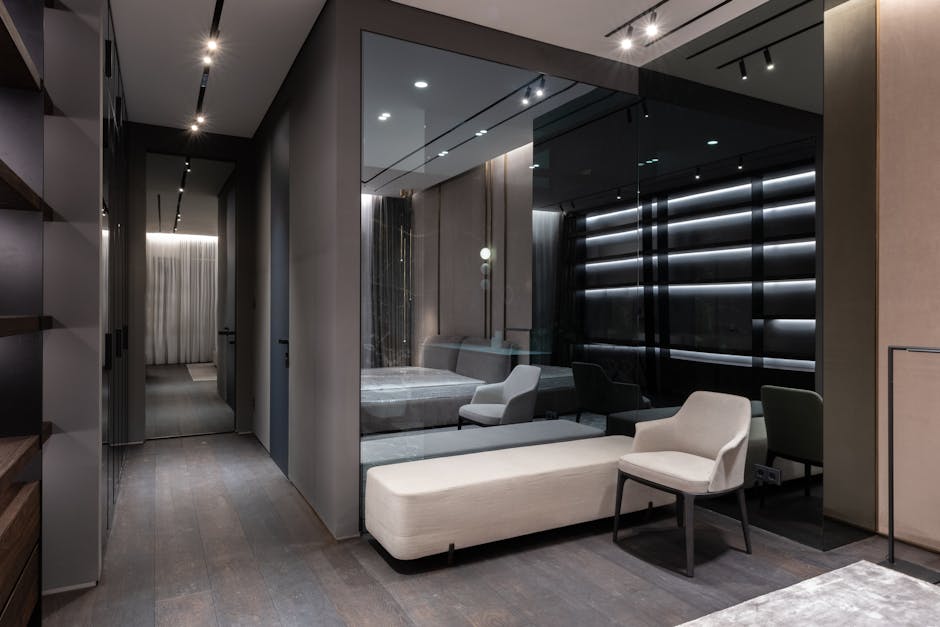
Sizing Rules Tied to Lighting Layout
Many overlook lighting when deciding mirror size, but proper lighting precedes mirror sizing in good design practice. Here’s why:
- Task lighting dictates sconce placement. The NKBA recommends wall sconces mounted about 75-80 inches from the floor, on either side of the mirror, spaced 28-36 inches apart depending on vanity width.
- Mirror width should allow space for sconces. An oversized mirror press against sconces looks crowded and inhibits light functionality.
- Height placement impacts utility. The mirror should start near the vanity countertop edge (roughly 36 inches off the floor) and extend up to about 42 inches in height to accommodate average user face height and reflection angles.
Golden Lighting fixtures often specify minimum clearances around mirrors to avoid shadows or glare, so don’t oversize your mirror "just because."
Placement Heights and Sconce Spacing
Proper mounting heights and spacing avoid problems common in shower-adjacent bathrooms:
- Mount sconces at eye-level height. Too high and you lose facial illumination; too low causes glare.
- Leave at least 3-6 inches of space on mirror edges for sconce clearance. This prevents light blockage and shadowing.
- Height of the mirror’s bottom edge should align roughly with the vanity top height (usually 32-36 inches).
The electrician’s role is crucial here—they plan circuits and outlet boxes for hardwired LED mirrors or sconces before installation. Hardwired LED mirrors from Lumens often require additional feed lines or junction boxes installed in the wall at precise heights.
Task Lighting vs Ambient Lighting in Bathrooms
Lighting in bathrooms serves two major functions:
- Task lighting: Clear, shadow-free light for grooming, shaving, and makeup application. Typically from wall sconces flanking the mirror or integrated LED mirror lighting.
- Ambient lighting: General illumination that fills the space—ceiling fixtures or recessed cans often handle this.
Regular mirrors, unless paired with proper lighting, will not enhance task visibility adequately. Many homeowners just hang a mirror and forget the lighting component, resulting in poor usability.
Backlit vs Front-lit Mirrors
A common marketing pitfall is calling all mirrors with LED lights “backlit.” True backlit mirrors cast a gentle halo glow behind the mirror, reducing glare but providing low-task illumination. Front-lit mirrors or integrated lights next to the mirror are superior for task illumination. Golden Lighting’s line of bathroom sconces paired with well-sized mirrors ensures balance.
My rule: Always decide lighting first, then mirror width to accommodate sconce placement.
Humidity and Durability Considerations
Bathrooms with showers expose mirrors to elevated humidity and direct water vapor. This accelerates mirror failure modes like:
- Desilvering risk: A regular mirror without sealed edges will slowly degrade, resulting in blackened spots or edges.
- Warping or corrosion of frame edges: Cheap frames corrode or swell unless sealed.
- Fogging: Mirrors without demisters fog up, creating inconvenience.
Glaziers who template and install your mirror plate glass recommend sealed edge bathroom mirrors in these conditions. The sealing protects the silver backing from moisture intrusion, extending the mirror life. For high-humidity zones near showers, demister pads with proper electricians installing hidden hardwired power feeds are a worthwhile investment.
Summary and Best Practices
- Can you use a regular mirror in a bathroom with a shower? Yes, but only if it has sealed edges and is installed correctly to mitigate desilvering risk.
- Size your mirror based on lighting layout. Follow NKBA rules to leave space for sconces, maintain proper sconce height and spacing.
- Lighting first, mirror second. Task lighting near the mirror is critical; coordinate with electrician for hardwired LED mirrors or fixture feeds.
- Use a glazier for templating and precision plate glass cutting. Proper installation protects against humidity damage.
- Demisters recommended. To combat fogging, especially in shower bathrooms.
- Avoid oversized mirrors that crowd sconces. Balanced, functional design is timeless. Remember, trends like round mirrors often date quickly.
For safe, functional, and beautiful mirror selections in bathrooms with showers, consult with trusted professionals, follow industry standards like those from the NKBA, and integrate fixture lighting thoughtfully with brands like Golden Lighting and Lumens. Your mirror should perform flawlessly as your daily grooming partner—don’t let these small but crucial details slip!