Do I Need a Glazier for a Plate Mirror with Outlets and Sconces Through It?
When planning your bathroom remodel, few design decisions impact both function and style as much as your mirror and lighting choices. A common and striking modern design involves sconces mounted through mirror surfaces and mirror cutouts for outlets. But when you specify outlets, sconces, or hardwired LED lights integrated through your plate mirror, the question arises: do you need a glazier?
In this post, we’ll dive into mirror types as functional decisions, lighting and mirror sizing rules, placement heights for sconces, and the role of the glazier in templating and installing customized plate glass. Along the way, we’ll naturally mention authoritative sources and manufacturers like the National Kitchen & Bath Association (NKBA), Golden Lighting, and Lumens, who supply fixtures and guidelines helping you succeed.

Mirror Types: Function Determines Form
Before you tackle your light and outlet integration, it’s important to understand the types of mirrors available and how their functional differences influence your project.
Plate Mirrors vs. Other Mirror Types
- Plate Mirrors: These are the classic, flat mirror sheets you see in most bathrooms — made from polished and silvered plate glass. Ideal for customizing with cutouts, templates, and edge treatments.
- Framed Mirrors: Mounted inside wood, metal, or composite frames. Typically less flexible for modifications like cutouts but add decorative flair.
- Storage or Cabinet Mirrors: Mirrors integrated into medicine cabinets or wall cabinets for concealed storage.
- Backlit or LED Mirrors: Mirrors with built-in LED lighting behind or around the glass surface, often requiring specialized electric work.
When planning for sconces mounted through mirror or electrical outlets embedded in the reflective surface, plate mirrors paired with professional glazier services offer the best customization. Framed or cabinet mirrors usually can’t accommodate cutouts or integrated feeds without compromising durability or aesthetics.
Sizing Rules Tied to Lighting Layout: Mirror Width and Height Matter
The National Kitchen & Bath Association (NKBA) offers excellent guidance on proper mirror sizing—especially concerning lighting fixtures such as sconces flanking the mirror. One frequent pitfall is sizing the mirror before specifying the lighting and sconce layout.
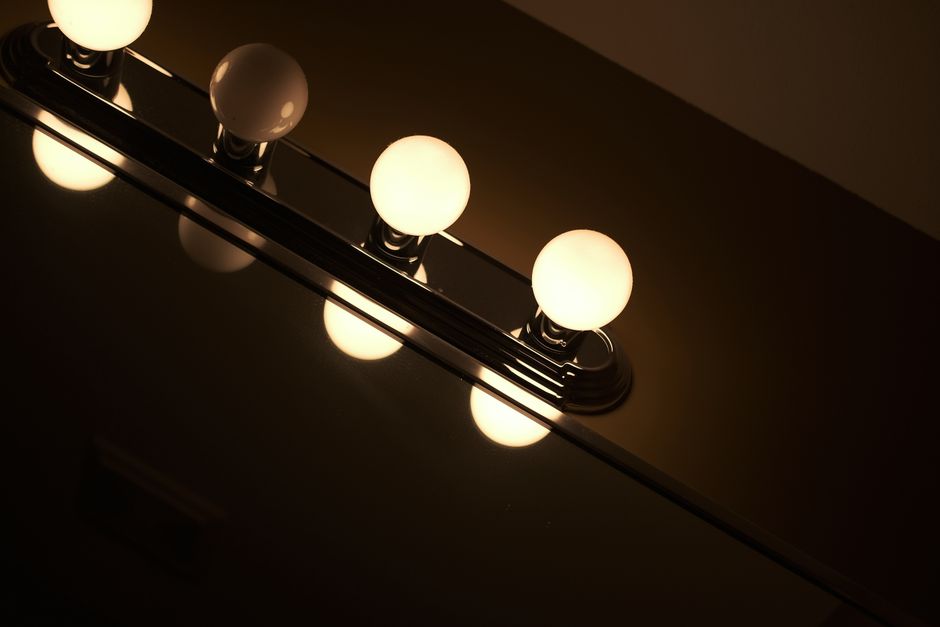
Why Lighting Comes First
Always decide on lighting locations before finalizing mirror width and mounting. Here's https://www.architecturelab.net/types-of-bathroom-mirrors/ why:
- Sconce Width and Spacing: Wall sconces typically require 4–6 inches of clear wall space around them for mounting brackets and switches. Oversized mirrors tend to crowd out the sconces, causing visual imbalance.
- Clearance for Cutouts: If outlets or hardwired LED lighting feeds have to pass through or appear on the mirror face, those cutouts or holes must be precisely located before cutting the mirror.
- Ambient vs Task Lighting: Proper sconce placement ensures task lighting for mirror usage without casting shadows, whereas ambient lighting fills the room. These priorities impact mirror height and width.
Basic NKBA Mirror Sizing Rule of Thumb
Vanity Width Mirror Width Sconce Spacing 24" wide vanity 20" to 22" mirror Each sconce 6" from mirror edge 48" wide vanity 40" to 44" mirror Each sconce 6–8" from mirror edge 60" wide vanity 52" to 58" mirror Each sconce 8" from mirror edgeMaintaining proper clearance keeps the sconces visible and effective without the mirror competing for wall real estate.
Placement Heights and Sconce Spacing: The Critical Details
Once your mirror size is settled post-lighting design, it’s time to determine the sconce height and spacing rules.
- Sconce Height: Ideal mounted between 60–66 inches from the floor to the center of the fixture to align roughly with eye-level for most adults. NKBA recommends sconces at face height, avoiding shadows on the face.
- Sconce Spacing: Maintain 6–8 inches between the mirror edge and sconce centerline. When sconces mount through the mirror, this spacing determines where glass cutouts are required for fixture arms and wiring.
- Clearance for Outlets: If outlets are integrated through the mirror near a sink or on either side, they should follow electrical code clearances from water sources and be coordinated exactly between glazier and electrician.
Keep in mind that a mirror too wide crowds out any chance for wallmounted fixtures unless the mirror has precise cutouts.
The Role of the Glazier: Templating, Cutting, and Installing Plate Glass
This is where the expertise of a glazier becomes essential for your sconces mounted through mirror and mirror cutouts for outlets.
What Does a Glazier Do?
- Templating: The glazier visits your site to take precise measurements and create a physical or digital template. This ensures flawless mirror glass cutouts and hole placements for sconces, outlets, and electric feeds.
- Cutting and Finishing: Using the template, the glazier cuts the plate glass to size, drills precise holes for wiring and fixtures, and handles edge polishing and sealing to prevent moisture damage.
- Installation: The glazier coordinates with your contractor or electrician to safely mount the mirror with integrated fixtures, ensuring secure mounting and waterproofing.
Heed this advice: get the electrician involved early. If your mirror has hardwired LED lighting or in-glass outlets requiring feeds, the electrician must prep wiring in advance, and the glazier’s cutouts must match exactly.
Coordination Between Glazier and Electrician
ResponsibilityGlazierElectrician Cutting holes for outlets and sconcesPrecision cutting per templateProvides location specs, wiring feeds Sealing edgesYes — prevents corrosion and moisture ingressNot involved Hardwired LED mirror lights installationMirror prep and mountingElectrical feed wiring and switchesNational Lighting manufacturers like Golden Lighting and retailers such as Lumens provide sconces tailored for bathroom humid environments and often specify mounting requirements to pass on to your glazier and electrician.
Task Lighting vs. Ambient Lighting: Using Mirror and Wall Fixtures Correctly
Remember that lighting’s function affects the entire design:
- Task Lighting: Direct, bright, shadow-free light for applying makeup, shaving, and grooming. Sconces mounted at face height on either side of the mirror, or integrated LED mirrors with demisters and front lighting, work best.
- Ambient Lighting: Soft, diffused light filling the space. Backlit mirrors or overhead fixtures often provide this, but they shouldn’t replace quality task lighting.
When your sconces mount through mirror glass, you get the benefit of minimal fixture bulk and a clean reflective plane, but only if sizing and spacing allow room for the fixture’s arms and electrical boxes. Poor sizing leads to crowding or awkward placements that ruin the lighting balance.
Verdict: Do You Need a Glazier?
Yes, if your shower plate mirror includes:
- Cutouts for outlets embedded in the mirror.
- Holes or slots for sconces mounted directly through the mirror surface.
- Hardwired LED lighting integrated inside or behind the plate glass.
- Custom edge finishing to prevent humidity damage from cut edges.
What a glazier brings: precise templating, cutting, edge finishing, and safe installation tailored to your electrician’s wiring coordinates. This teamwork prevents costly rework and creates a polished final image.
When combined with electric expertise and quality fixtures from industry leaders like Golden Lighting and Lumens, your bathroom mirror and lighting blend into a refined, functional, and lasting environment — exactly as per NKBA’s best practice recommendations.
Summary
- Define lighting—task and ambient—before selecting mirror size to ensure sconces and outlets fit comfortably.
- Follow NKBA sizing guidelines for mirror width and sconce spacing to avoid crowding or poor illumination.
- Use a glazier for precise templating, cutting, and installation of plate glass mirrors with any mounted-through fixtures or cutouts.
- Coordinate early and closely with electricians for hardwired lighting or outlet feeds through the mirror.
- Choose reputable manufacturers and retailers for fixtures designed for humid bathroom environments.
With these in mind, your plate mirror with integrated sconces and outlets will not only look sleek but perform flawlessly for years.