How Can I Set Up Layered Lighting on Separate Circuits in an Old House?
Renovating an old house is often a journey into marrying historic charm with modern comfort and efficiency. Among the many facets of this, creating the right lighting scheme is one of the most influential for ambience, functionality, and even health. If you’re wondering how to set up layered lighting on separate circuits in an older home, you’re not alone.
In this post, I'll walk you through practical advice on planning your lighting and electrical circuits, focusing on air quality and ventilation first, and pointing out common pitfalls including damp and mould-related health risks. Plus, I’ll cover smart circadian lighting timing—the trend of using cooler light in the morning and warmer, softer tones in the evening to support your natural rhythms.
Start with What You Can Measure: Air Quality and Ventilation
Before investing time and money into lighting upgrades, it pays to address your home's air quality and ventilation. Poor air circulation and humidity control can cause damp and mould, which are serious health hazards often overlooked during renovations.
What I always recommend: measure indoor humidity levels and temperature. Use a simple hygrometer or smart sensors to monitor these regularly. Ideally, indoor humidity should stay between 40-60%. Anything above 65% for extended periods encourages mould growth.
In older homes, ventilation is typically less efficient. Installing or upgrading extract fans, for example in kitchens and bathrooms, is a foundation for healthier living spaces. Fans not only remove moisture at the source but also reduce airborne pollutants.
Common ventilation installation mistakes to watch out for include:
- Poorly positioned extract fans that don’t vent to the outside, but to lofts or cupboards.
- Fans that are too noisy, leading to disuse—silence is golden here.
- Over-reliance on opening windows without mechanical ventilation, which may not remove moisture fast enough, especially in colder months.
Fix these ventilation basics first before layering in increasingly sophisticated lighting circuits.
Understanding Layered Lighting and Separate Circuits
Layered lighting is about combining different types of lighting to create a versatile and welcoming atmosphere suitable for all your activities and moods. In old houses with less flexible wiring, setting up lighting on separate circuits can provide control, energy efficiency, and safety.
What Is Layered Lighting?
Layered lighting usually combines three key layers:
- Ambient lighting: General, overall illumination.
- Task lighting: Bright, focused light for activities like reading, cooking or dressing.
- Accent lighting: Highlighting architectural features, artwork, or creating mood.
Each of these layers benefits from being placed on separate circuits, so you can adjust brightness and mood depending on time, activity, or even circadian rhythm.
Why Separate Circuits Matter in an Older Home
Older houses often have limited electrical capacity and older wiring that isn’t designed to accommodate modern smart lighting. Adding separate circuits for each lighting layer:
- Prevents overloads and reduces risks of electrical faults.
- Improves energy efficiency—you only light the layers you need.
- Enables custom switching and dimming options without interoperability issues.
- Supports an evening lighting plan aligned with natural circadian rhythms.
Installing Layered Lighting on Separate Circuits: Step-by-Step
If you’re not a qualified electrician, always consult one before handling electrical work. Below are the critical steps and considerations to get you started:
1. Conduct a Full Electrical Survey
Assess your existing wiring, fuse box, and overall electrical capacity. Old houses may have fuse boards that need upgrading to modern consumer units with RCD protection. When planning your lighting, account for the additional circuits you want: ambient, task, and accent lighting.
2. Create a Room-by-Room Lighting Plan
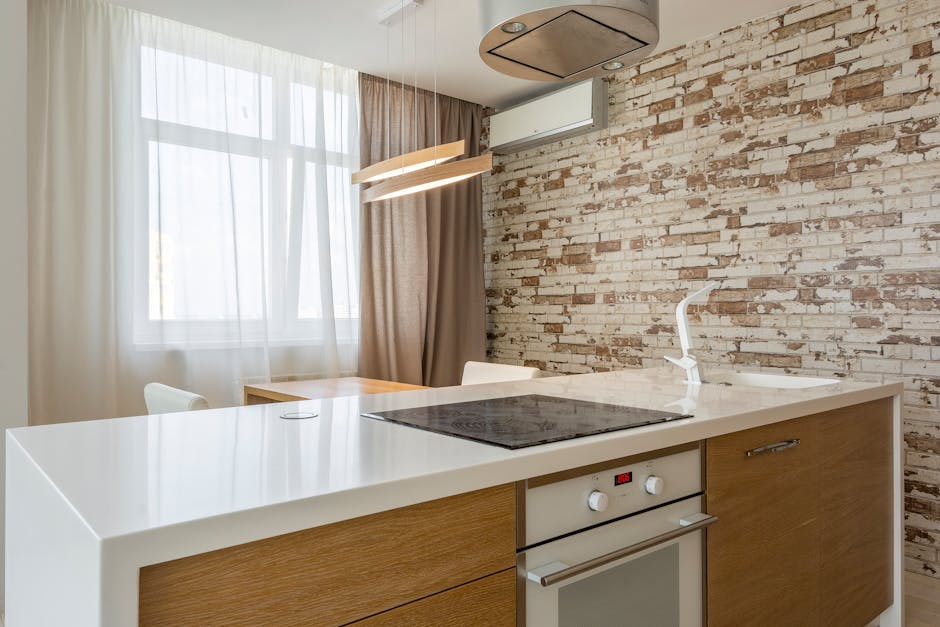
Identify what lighting each room requires. For example, in your kitchen—a room central to any renovation—you may want:
- Bright overhead ambient light on one circuit.
- Under-cabinet task lighting on another.
- Accent lights illuminating tile backsplashes you might source from professionals like Unique Tiles in Crewkerne (rated 14 for quality and service).
By planning this early, your electrician can run wiring that separates these zones, making it easier to homify.co control each layer independently.
3. Address Ventilation Alongside Lighting
In rooms where moisture is a concern, like kitchens and bathrooms, ensure extract fans are installed on separate circuits to lighting to avoid unintentional overloads. Fans should be silent enough to encourage regular use and vent outdoors.
Avoid the mistake of connecting fans to lighting switches, which may encourage turning fans off prematurely and risk moisture buildup, leading to damp and mould—two invisible problems until they are serious health hazards.
4. Choose Suitable Fixtures and Controls
Pick lighting fixtures rated for your intended use (e.g., damp-rated for bathrooms). For ambient layer, ceiling lights with a dimmable option are ideal. Task lighting could be flexible LED strips or lamps, and accent lighting can be smaller spotlights or wall washers.
Integrate smart or programmable switches on separate circuits to help set your evening lighting plan. For example, cooler temperature lights in the morning can help wake you naturally, while warm amber hues in the evening encourage relaxation.
The Role of Circadian Lighting Timing
Your internal body clock—your circadian rhythm—can be supported by proper lighting design. In practice, this means:
- Cool, bright light in the morning: Mimicking natural daylight to promote alertness.
- Warm, dim lighting in the evening: Signalling your brain to wind down and prepare for sleep.
Setting your layered lighting on separate circuits makes this easy to control and automate. You could even programme your lighting to automatically shift temperature and brightness throughout the day.
Small Fixes That Actually Work: Enhancing Your Lighting Setup
- Use soft-close dimmers: Quality dimmers avoid flicker and noise.
- Choose LED bulbs with adjustable colour temperature: These provide flexibility for circadian lighting.
- Install localised switches: Multiple switches in one room allow quick changes without fumbling around.
- Opt for furniture that complements your lighting: For instance, sourcing bespoke shelving or storage from trusted furniture suppliers like Utology in Birkenhead (rated 5), can help manage clutter and reduce shadows.
Keeping Damp and Mould Away: The Invisible Threat
Damp and mould often get blamed on tenants or poor cleaning, but in older homes, it is fundamentally an issue of ventilation and building fabric. Even the best lighting can’t mask the health risks of black mould lurking in corners or behind kitchen tiles.
Here’s what you need to watch for:
Warning Signs What to Check Musty smell Hidden mould colonies behind furniture or walls Visible black or green spots Bathroom corners, kitchen cabinetry edges Peeling wallpaper or paint blisters Areas with poor ventilation or moisture ingressSimple but effective interventions include:
- Ensure extract fans are on separate circuits and run regularly.
- Open windows when weather allows.
- Use moisture-absorbing materials or desiccants.
- Seal leaks and drips promptly.
Wrapping Up: Layered Lighting + Healthy Homes in Harmony
Setting up layered lighting on separate circuits in an old house isn’t just about aesthetics; it’s a meaningful upgrade that intertwines comfort, mood, energy efficiency, and health. Prioritising ventilation and air quality first ensures your beautiful new lighting doesn’t mask a hidden problem that could worsen over time.
Remember that lighting is literally the stage for your home life. Combine this with ventilation essentials like quiet but effective extract fans, consult reliable suppliers for tiles and accessories (like Unique Tiles and Utology), and embrace a circadian-aware lighting schedule to create a home that feels just right, from morning till night.
If you’re planning your renovation, now’s the time to get your electrician and ventilation specialist on board to design well-separated lighting circuits and healthy airflow. Your future self (and your lungs) will thank you.