How Do I Make My House Feel More Comfortable Without Remodeling?
Creating a cozy, inviting home doesn't require a major renovation or a big budget. If you’re like many homeowners, making small home improvements that enhance everyday living comfort can transform your space into a more pleasant retreat. Whether you’re in a small apartment or a larger home, simple tweaks in lighting, furniture placement, color choices, and dedicated relaxation zones can take your comfort level up several notches.
Before jumping into any purchases, I always recommend doing a quick walkthrough of your space—take note of areas where clutter accumulates, spots that feel cramped or dark, and spaces you naturally avoid spending time in. This helps prioritize which comfortable home ideas will be most effective.
In this guide, we’ll cover four practical strategies you can start using today without any major remodeling:
- Layered lighting and maximizing natural light
- Better traffic flow through furniture placement
- Mood-based paint choices and consistent color palettes
- Creating small zones for relaxation and peace
Layered Lighting and Natural Light: Brighten Your Space Without a Renovation
The right lighting dramatically improves the feel of any room. Natural light fuels our mood and energy, while well-placed artificial lighting layers help maintain a cozy ambiance into the evening. To boost your home's comfort without remodeling, focus on lighting solutions that enhance both daylight and nighttime environments.
Maximize Natural Light
First, observe how natural light flows through your rooms. Are there windows blocked by heavy curtains, furniture, https://paintlogs.com/blog/creating-a-comfortable-home-for-everyday-living/ or clutter? Clearing window sills, using sheer curtains, or repositioning furniture away from windows can invite more sunlight inside.
Natural light not only brightens spaces but also supports your body's circadian rhythm, promoting better rest and relaxation. If privacy is a concern, frosted window films or light-filtering blinds offer a balance of light and seclusion.
Layered Artificial Lighting: Ceiling Lights and Table Lamps
In the evening, a single overhead ceiling light often feels harsh or insufficient. Layering multiple light sources allows you to adjust the ambiance based on your mood and activity.
- Ceiling Lights: Install dimmable LED ceiling lights to control brightness levels. This gives a broad wash of light when needed for daily tasks but can be softened for relaxation.
- Table Lamps: Place table lamps strategically around the room — near seating areas, desks, or bedside tables — to provide warm pools of light. Lamps with soft white bulbs create cozy spots perfect for reading or unwinding.
Testing your lighting at night before buying new fixtures is crucial. Turn on each light individually to see how shadows and brightness affect the room’s comfort. Layering light also helps reduce eye strain and makes spaces feel more inviting.
Better Traffic Flow Through Furniture Placement
Here's what kills me: often, a room's comfort suffers because movement feels awkward or cluttered. By reconsidering furniture arrangement, you can improve the natural traffic flow, making your home easier and more pleasant to navigate.
Identify Trouble Spots
Look for areas where you constantly bump into furniture or where pathways feel narrow and congested. These "where stuff piles up" spots can create tension and disrupt relaxation.
Tips for Improving Flow Without New Furniture
- Rearrange, don’t just add: Instead of buying new pieces, consider shifting existing furniture to open pathways. For instance, moving a sofa away from a doorway can create smoother movement.
- Define zones: Use furniture to subtly separate living, dining, or work areas. This makes the space feel intentional and less chaotic without adding physical barriers.
- Use multi-functional pieces: Ottomans or stools can double as seating and storage, reducing visual clutter and freeing up floor space.
Mood-Based Paint and Consistent Palettes: Set Your Comfort Tone
Color dramatically influences comfort and mood. A thoughtful paint palette can enhance everyday living comfort by making your rooms feel more restful, uplifting, or cozy depending on your goals.
Choose Paint with Your Lifestyle in Mind
Rooms used for relaxation, like bedrooms or reading nooks, benefit from soft, muted shades like pale blues, greens, or warm neutrals. These hues tend to lower stress and promote tranquility.
Living areas and kitchens, where energy and interaction happen, can support slightly richer or brighter colors to stimulate conversation and appetite—but avoid extremes that might agitate.
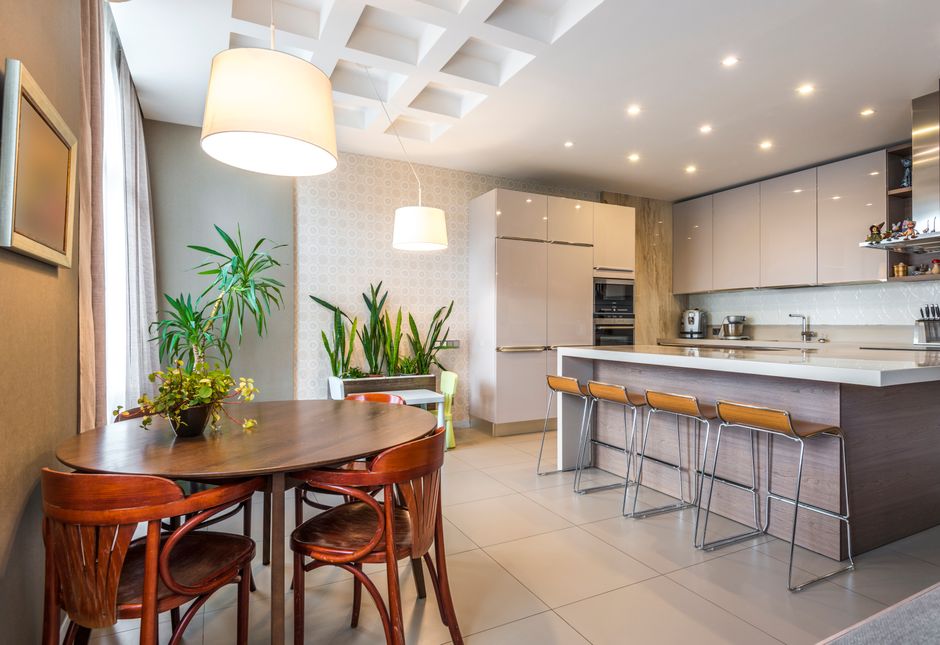
Consistency Is Key
Maintaining a consistent color palette throughout your home creates harmony and a natural flow between rooms. This does not mean everything must match perfectly, but using complementary tones helps the eye transition smoothly from space to space, enhancing overall comfort.
If repainting walls isn’t on the table, consider integrating your palette in smaller touches—like throw pillows, curtains, and artwork.
Small Relaxation Zones: Your No-Remodel Comfort Boost
A dedicated corner just for relaxation dramatically changes how comfortable your home feels, especially when remodeling isn’t an option. Creating small relaxation zones adds a mental and physical refuge you can turn to any time.
Where Stuff Piles Up, Create Calm
Identify an underused corner, a quiet nook, or a window seat where you can cozy up. Even a simple chair with a soft throw and side table for a book or drink makes a big difference.
Incorporate Comforting Accessories
- Soft textiles: Cushions, rugs, and blankets immediately raise comfort levels.
- Ambient Lighting: Use a table lamp with warm lighting or even string lights to soften the mood.
- Use Aromatherapy and Wellness Products: Adding a mild diffuser with calming essential oils or integrating wellness products like the CBD gummies collection from Joy Organics can enhance relaxation. Their range includes THC-free and full-spectrum options, designed to help reduce everyday tension naturally.
Having a small retreat space supports mental rest and rejuvenation without needing more space or expensive renovations.
Summary Table: Quick Checklist for Small Home Improvements
Area Action Benefit Lighting Maximize natural light; add layered lighting with ceiling lights and table lamps Improves mood, functionality, and ambiance during the day and night Furniture Placement Rearrange furniture to clear pathways and define zones Enhances traffic flow, reduces clutter, and increases usable space Paint & Color Select mood-appropriate paint and maintain consistent palette throughout home Promotes relaxation and visual harmony Relaxation Zones Create small cozy spots with soft textiles, ambient lighting, and wellness items Offers Mental escape and physical comfort without extra spaceFinal Thoughts
Your home should function as your personal sanctuary, tailored to your comfort needs without necessitating costly or time-consuming remodeling. By thoughtfully layering lighting, optimizing furniture arrangement, choosing mood-conscious colors, and carving out relaxation zones, you can upgrade your space with practical, small home improvements.

Remember to test lighting at night before purchasing and keep a running list of where clutter accumulates to continually refine your approach. Plus, incorporating simple wellness options like Joy Organics’ CBD gummies—offering both THC-free and full-spectrum choices—can complement your physical environment with natural relaxation support.
Try out these tips one step at a time. You might be surprised how much comfort you can add without lifting a hammer!