How Far Can I Run a Line Set Before I Should Stop and Call a Pro?
Mini split systems have revolutionized the way homeowners think about heating and cooling. Thanks to brands like Zone Air, Pioneer, and Senville, DIY enthusiasts now have access to efficient, flexible, and often affordable single-zone kits priced between $1,899-$2,499. But when it comes to installation details—specifically, how far you can run a line set before it becomes too complex—knowing when to trust your own skills and when to hire licensed HVAC professionals is crucial.
What Makes a Mini Split Truly DIY?
The biggest shifts toward homeowner-friendly mini split installations come from the equipment design.
Pre-Charged Line Sets
Traditionally, installing a mini split meant handling refrigerant cylinders and specialized gauges. This requires licensed technicians and adds layers of risk and complexity. Now, many manufacturers—including Zone Air, Pioneer, and Senville—offer pre-charged line sets that arrive sealed and filled with the proper refrigerant. This change eliminates the need for refrigerant handling on the homeowner’s part, making installation much more accessible.
Quick-Connect Valves
Gone are the days when installing a mini split required sweating copper lines or adapting flare fittings under difficult conditions. Quick-connect valves allow for simple, secure connections between indoor and outdoor units and the line set. This dramatically reduces leak points and the tools needed.
Basic Tools You’ll Need
Aside from the mini split components, here are key tools commonly used:
- Drill: Essential for mounting both indoor and outdoor units and for creating wall pass-throughs.
- 3-3.5 inch Hole Saw: Required for drilling the correct sized hole in exterior walls for the line set, condensate drain, and electrical wiring.
Sizing Your Mini Split and Line Set Length Considerations
Before you even start drilling, sizing is important. It affects line set length, electrical requirements, and ultimate comfort.
Square Footage and Climate Realities
Choose your size based on the room or zone you want to condition, factoring in insulation quality and climate extremes. For example:
- A well-insulated 400 sq. ft. office in a mild climate could use a 9,000 BTU unit.
- A 600 sq. ft. workshop in a cold northern climate might need 12,000 or more BTUs.
Many DIY kits from Zone Air or Pioneer come sized appropriately with components balanced for efficiency and capacity.
Line Set Runs Over 35 Ft: When to Call a Pro
Line set copper tubing carries refrigerant in the system, and its length and vertical rise impact performance. Manufacturers often list a maximum recommended line set length—commonly between 25 to 50 feet for single-zone kits. A run over 35 ft is generally a cautionary point.
Longer runs increase pressure drop, reducing system efficiency or potentially damaging compressors. Complex routing—such as through multiple floors or around obstacles—further complicates refrigerant flow.
If your project requires:
- Line set run over 35 ft, especially with vertical rise greater than 15 ft
- Multi-floor line routing through walls, ceilings, or between stories
- Unusual or tight bends and angles that require careful refrigerant charge adjustments
That’s when you should seriously consider hiring a pro. Licensed HVAC technicians have specialized tools and experience to correctly charge your system and ensure code compliance.
Electrical Planning and Safety
Electrical work is a common stumbling block for DIY installers.
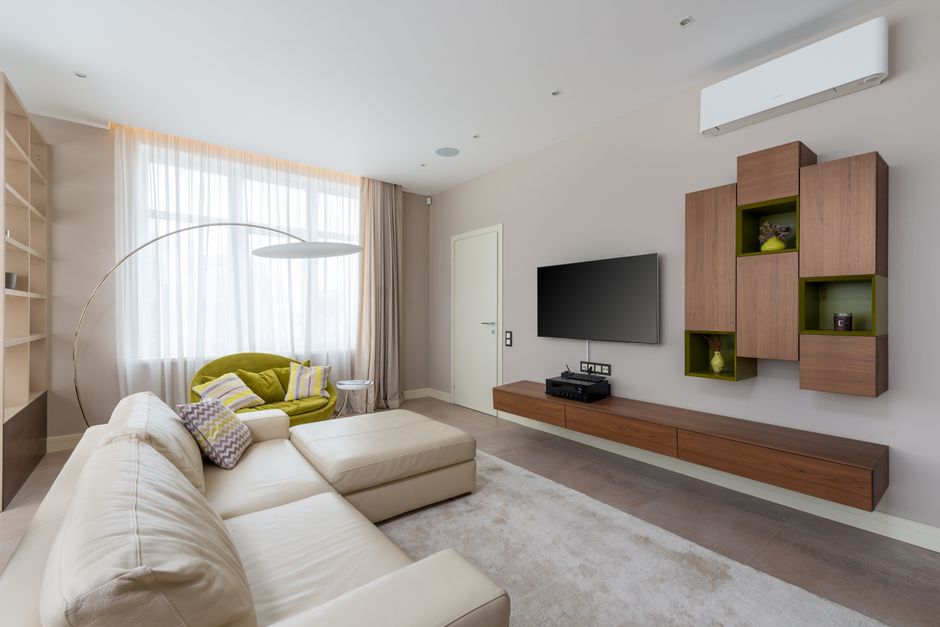
115V vs 230V Systems
Many single-zone mini splits operate on 115V household current, making it easy to plug in and use existing circuits. However, higher-capacity units or multi-zone systems may require 230V circuits, which need special breakers and wiring.
Breaker Sizing and Disconnects
Always match your breaker amperage to manufacturer specifications—often 15 or 20 amps for small systems. An electrical disconnect near the outdoor unit is typically required by code. This safety switch allows first responders or technicians to quickly power down the system.
When in doubt, wiring a dedicated circuit and consulting electrical codes or a licensed electrician is safest. Improper circuit sizing can lead to frequent breaker trips or dangerous conditions.
Placement Rules for Indoor Comfort and Outdoor Serviceability
How and where you position your units impacts both long-term comfort and maintenance ease.
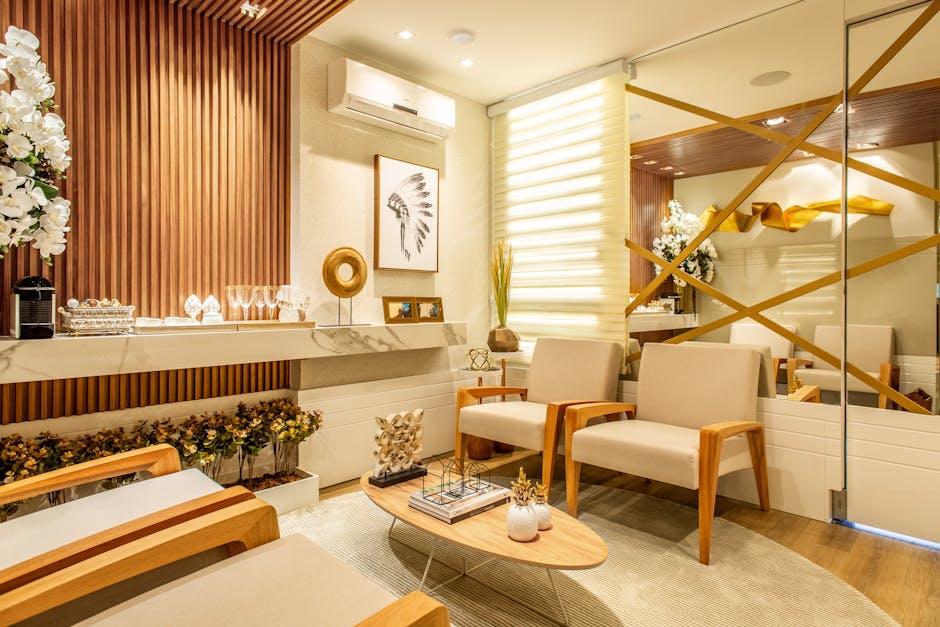
Indoor Unit Placement
- Mount the indoor unit on an interior wall, high enough to allow cool air to circulate efficiently but low enough for easy maintenance access.
- Avoid blocking airflow with furniture or curtains.
- Placement near the center of the zone improves uniform temperature control.
Outdoor Unit Placement
- Locate the outdoor compressor on a stable, level pad close to the indoor unit to minimize line set length.
- Ensure clearance on all sides for airflow and service technicians—typically at least 12-24 inches around the unit.
- Roof mounts and hard-to-access locations complicate service and should be avoided.
Summary Table: DIY vs When to Call a Pro
Aspect DIY Feasible Best to Hire Licensed HVAC Line Set Length Under 25–35 ft, straight run with minimal vertical rises Runs over 35 ft or complex multi-floor routing Refrigerant Handling Pre-charged line sets with quick-connect fittings Custom refrigerant charging or repairs Electrical 115V plug-and-play setups with existing circuits Installing 230V circuits, breaker sizing, disconnects, or panel upgrades Placement & Mounting Simple wall mounts near accessible exterior wall Roof mounts, tricky clearances, or multiple indoor unitsFinal Thoughts
The popularity of DIY mini splits from companies like Zone Air, Pioneer, and Senville represents a fantastic opportunity for weekend warriors to improve home comfort affordably. At $1,899-$2,499 for many single-zone kits, the value is attractive—but success depends on respecting the system’s limits and potential hazards.
If your line set run over 35 ft involves complex routing or vertical rises, it’s best to hire licensed HVAC pros to avoid costly damage and ensure warranty compliance. Likewise, electrical work beyond simple plug-in should be treated with caution.
Armed with the right tools—a drill, a 3-3.5 inch hole saw, patience, and proper planning—you can confidently tackle the simpler mini split installs yourself while knowing when to call in backup. Your comfort (and your system) will thank you.