What Are the Cheapest Changes That Improve Sleep at Home Fast?
Sleep—a fundamental cornerstone of health and wellbeing—can surprisingly be improved with a few simple, affordable changes at home. As someone who's spent years helping homeowners and renters create healthier, more comfortable living spaces, I can reassure you that better sleep won’t always mean expensive mattresses or fancy gadgets. Instead, it starts with what you can measure: indoor humidity, temperature, noise, and lighting.
In this article, we’ll explore some small but effective adjustments—from moving furniture to improve airflow, to layering your lighting for natural circadian rhythms—that yield noticeable improvements in sleep quality. Plus, we'll highlight some products and services from companies like Utology (Furniture & Accessories in Birkenhead, rating: 5) and Unique Tiles (Tile, Stone & Worktops in Crewkerne, rating: 14) to inspire your home upgrades.
get more info1. Air Quality and Ventilation: The Foundation of Restful Sleep
Before diving into cosy aesthetics, let’s begin with the basics that often go unnoticed until problems get serious—air quality and ventilation. Poor ventilation leads to stuffy rooms, excess moisture, and ultimately, damp and mould—a significant health risk linked to respiratory issues and disturbed sleep.
Why Air Quality Matters for Sleep
We spend roughly one-third of our lives in bed, breathing deeply, so the air needs to be fresh and balanced. High levels of indoor humidity (above 60%) increase mould growth, while low humidity can dry out your nasal passages, making breathing uncomfortable during sleep.
- Measure it: Invest in a simple hygrometer to track humidity levels in your bedroom.
- Ideal range: Aim for 40-60% relative humidity for healthy indoor air.
- Temperature: Keep it cool but not cold; between 16-19°C is typically best for sleep.
Extract Fans: A Small Fix That Actually Works
One key ventilation upgrade that often goes overlooked is installing or upgrading extract fans in bathrooms or kitchens near your bedroom. These fans remove moist air at the source, reducing condensation and mould risk.
However, a common installation mistake is placing them on the same circuit as lighting, or using noisy models that discourage use. Fans should be on separate circuits from lights to allow independent operation, and noise levels should be low enough to not disturb sleep.
2. Dealing With Damp & Mould: Protect Health and Sleep
Damp and mould don’t just damage walls and furniture; they directly affect your respiratory health and sleep—especially if you have asthma or allergies. It’s important to address symptoms early because the problem is largely invisible until it's serious.
If you notice blackout curtains patchy black spots on walls, a musty smell, or condensation on windows, these are warning signs.
Simple Actions to Combat Dampness
- Ventilate regularly: Even in winter, open windows briefly or use trickle vents.
- Move Furniture Off Walls: This improves air circulation behind wardrobes and beds where cold surface walls might cause condensation.
- Add a Rug: Placing rugs on cold floors reduces damp chill that can seep upwards and affect sleep comfort.
Consider also materials and finishes—companies like Unique Tiles in Crewkerne (rating: 14) offer stone and tile options which, when installed correctly, are moisture-resistant and easy to clean, reducing risk areas for mould growth.
3. Layered Lighting on Separate Circuits: Align with Your Body Clock
Lighting is more than decoration; it’s a powerful regulator of your circadian rhythms that dictate when you feel alert or sleepy.
Circadian lighting timing means using cooler, brighter light in the mornings to signal wakefulness, and warmer, dimmer light in evenings to cue your body for rest.
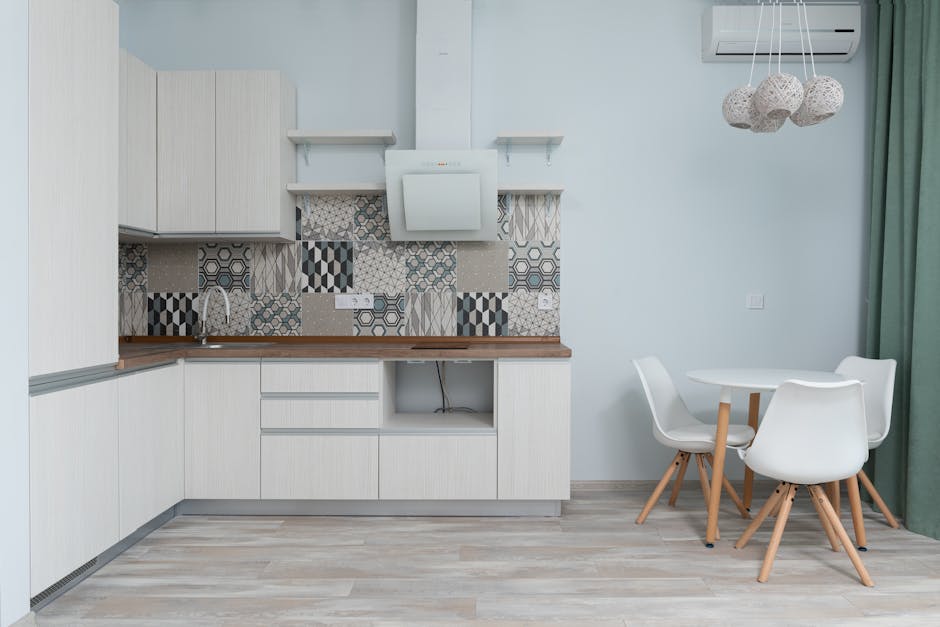
Tips to Optimize Bedroom Lighting
- Use Warmer Bulbs in the Evening: Switch to bulbs with lower colour temperature (around 2700K or less) to encourage melatonin production.
- Layer Your Lighting: Combine overhead lights with table lamps and wall sconces on separate circuits so you can adjust brightness without harsh overhead light.
- Avoid Blue Light: Minimise screen time before bed or use blue light filters on devices.
Retailers like Utology in Birkenhead (rating: 5) provide stylish furniture and accessories that can help you create these layered lighting schemes effortlessly with built-in cable management for smart plugs and lamps.
4. Small Fixes That Actually Work
Besides the big-ticket upgrades, here are some budget-friendly tweaks you can make tonight for better sleep:

5. Avoiding Mistakes That Sabotage Your Sleep Environment
Before wrapping up, a few pitfalls to watch out for:
- Don't blame tenants or family members for damp and mould: It’s usually a building or ventilation issue, not a personal fault.
- Avoid “blackout” curtains that allow light leakage: True blackout requires edge coverings or thick linings, otherwise morning light will disturb early sleep cycles.
- Don’t install noisy fans: If fans are too loud, people simply don’t use them, negating all benefits.
In Summary
Better sleep is within reach with affordable fixes centred around improving air quality, controlling damp and mould, and tuning your environment’s light to natural rhythms. Start measuring humidity and temperature today, then try moving furniture off walls and adding a rug for immediate comfort gains. Next, adjust your lighting with warmer bulbs and layered circuits to tune your body clock.
Brands like Utology and Unique Tiles offer stylish, practical home improvements that blend functionality with aesthetics, making your bedroom a true haven for rest.
Remember: investing in good ventilation and circadian lighting isn’t just about comfort—it’s about safeguarding your body’s deepest renewal every night.