Zone Air Warranty for DIY Install: What Do I Have to Document?
If you're considering installing a mini split system yourself to save money, understanding the warranty requirements and documentation is crucial. Many popular brands like Zone Air, MrCool, and Pioneer offer tempting DIY-friendly options, but each comes with its own set of rules and fine print. This post will focus on the Zone Air 12,000 BTU 230V wall-mounted system—priced between $2,049 and $2,599—and what it takes to preserve their valuable 5 year parts warranty and 7 year compressor warranty when you go the DIY route.
True DIY vs Semi-DIY Mini Splits: What’s the Difference?
Before you start, one of the biggest questions is whether your decoratoradvice.com mini split qualifies as a “true DIY” system or a “semi-DIY” system. This distinction impacts the tools, skills, and documentation required to retain your warranty.
- True DIY Mini Splits: These systems use pre-charged quick-connect line sets that do not require you to handle refrigerant charging or vacuum. Brands like MrCool have popularized this category. The vacuum pump and manifold gauges usually aren't needed with these quick connects. The warranty generally requires you to provide installation photos and proof that electrical connections meet code.
- Semi-DIY Mini Splits: Zone Air falls under this category. Their system requires you to use standard refrigerant copper line sets that you will need to vacuum, test, and connect yourself using HVAC tools like a vacuum pump and manifold gauges. HVAC knowledge is recommended or necessary. The warranty requires documentation proving you correctly evacuated the system, torque specs were met, and electrical connections were safely made.
Understanding which category your system falls under will set your expectations and keep your warranty safe.
Zone Air’s Warranty Overview
Zone Air offers a robust warranty package on their 12,000 BTU, 230V, wall-mounted system:
Warranty Coverage Duration Conditions Parts Warranty 5 Years Installation according to manufacturer instructions with proper documentation Compressor Warranty 7 Years Same as parts; requires documentation of vacuum and torque specsTo keep this warranty intact, documentation is not just a suggestion—it’s a must.
What Documentation Do You Need for Your Zone Air Warranty?
DIY warranty claims hinge on the quality and completeness of your documentation. Here’s what Zone Air expects:
1. Installation Photos for Warranty
- Clear photos of the indoor and outdoor units, showing serial numbers and model numbers.
- Photos of the electrical panel and breaker size dedicated to the mini split.
- Images of refrigerant line connections, showing torque wrench positions and flare nuts.
- Photos of the installed line set and drain lines routed properly.
2. Proof of Refrigerant Evacuation and Charging
If you’re doing a semi-DIY install with Zone Air (not a pre-charged quick connect), you must use a vacuum pump and manifold gauges to properly evacuate the air and moisture from the refrigerant lines. Provide timestamped photos of:
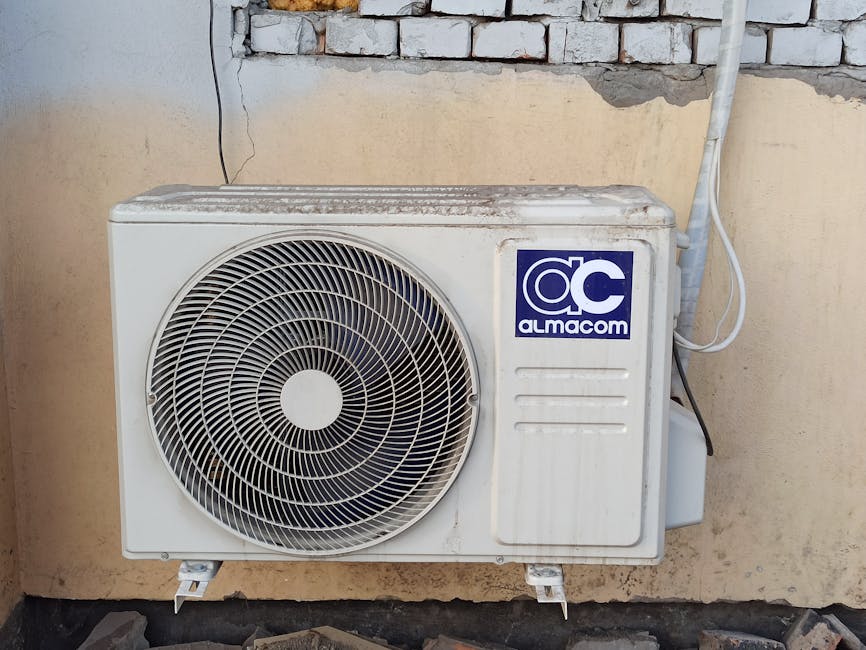
- Your vacuum pump running on the manifold gauge set attached to the outdoor unit.
- Pressure gauges indicating evacuation progress.
- Torque specs for flare nuts (typically listed in the installation manual).
3. Electrical Compliance
Document the electrical supply matches the named voltage and breaker size (230V for Zone Air’s 12,000 BTU system). This means photos and/or receipts for:
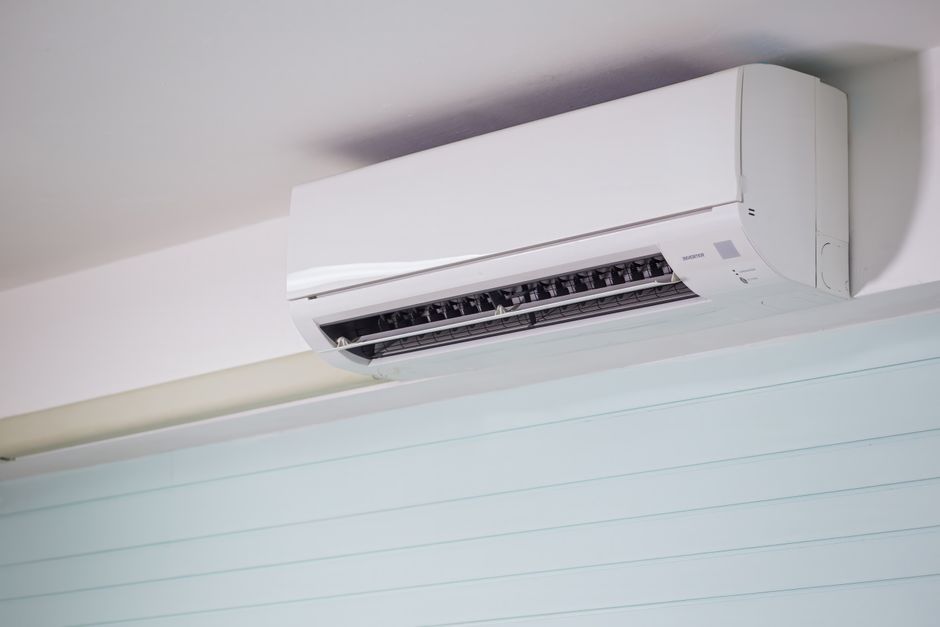
- Breaker panel setup.
- Correct wire gauges used.
- Electrical permit or inspection report if required by your local code.
4. Installation Date & Warranty Registration
Keep a copy of the bill of sale and complete the warranty registration on Zone Air’s official website within the required time frame (typically 30 to 60 days).
Why You Can’t Ignore SEER2, HSPF2, and Refrigerant Changes Starting 2026
Starting in 2026, new efficiency standards (SEER2 and HSPF2) and refrigerant transitions will affect HVAC systems, including mini splits. Here’s what to watch out for if you plan on installing Zone Air or similar brands in the next few years.
SEER2 and HSPF2: What’s Changing?
- SEER (Seasonal Energy Efficiency Ratio) and HSPF (Heating Seasonal Performance Factor) currently measure cooling and heating efficiency.
- SEER2 and HSPF2 are updated metrics that will generally lower rating numbers by 10-15% because of new testing methods.
- This may affect the marketing claims of pre-2026 mini splits and potentially void warranties if incorrect models are installed post-2026.
R-454B Refrigerant Transition
Zone Air and many other brands are moving to R-454B, a lower-GWP (Global Warming Potential) refrigerant, replacing R-410A over the coming years. This refrigerant is mildly flammable and requires proper training for handling:
- DIY installs involving refrigerant charging will become more difficult and regulated.
- Pre-charged quick-connect systems remain safer for DIY but may change refrigerant types and line set compatibility.
- Vacuum pumps and manifold gauges rated and compatible with R-454B refrigerants will be necessary.
If you’re installing in 2025 or later, double-check your system’s refrigerant type to ensure warranty compliance and safety.
Comparison: Zone Air vs MrCool vs Pioneer DIY Warranty Requirements
Brand DIY Type Refrigerant Line Connections Tools Required Warranty Docs Needed Zone Air Semi-DIY Standard copper lines, flare nuts Vacuum pump, manifold gauges, torque wrench Installation photos, evacuation proof, electrical compliance MrCool True DIY Pre-charged quick-connect Minimal (some older models require vacuum pump) Photos of connections, electrical photos, registration Pioneer Semi-DIY Standard copper lines, flare nuts Vacuum pump, manifold gauges Installation photos, proof of evacuationFinal Checklist for a Zone Air DIY Install Warranty
- Confirm your exact model and its refrigerant line connection method before purchasing.
- Purchase or have access to a vacuum pump and manifold gauges if your system requires it.
- Follow the installation manual’s torque specs precisely—keep your torque wrench handy.
- Take well-lit photos at every stage: unit placement, electrical panel, line sets, evacuation process.
- Register your system on Zone Air’s website within the allotted time to activate warranty.
- Keep your sales receipt and all paperwork accessible.
- Plan according to the upcoming 2026 SEER2/HSPF2 and refrigerant changes to avoid surprises.
Conclusion
Installing a Zone Air 12,000 BTU 230V wall-mounted mini split yourself can save on labor, but retaining a robust 5 year parts warranty and 7 year compressor warranty requires rigorous documentation. Unlike true DIY systems like MrCool, Zone Air’s semi-DIY setup demands familiarity with HVAC tools such as a vacuum pump and manifold gauges, plus photo-proof of correct installation. Preparing now by gathering the right tools, understanding refrigerant connections, and documenting each step will pay off in a hassle-free warranty experience. Keep an eye on regulatory changes for 2026—they could affect refrigerant types, efficiency ratings, and your install plans.
DIY installs are empowering—but only if you get the details right. Your warranty depends on it.
```